

Are you complying with cold texting regulations in your SMS marketing campaigns? If not, you’re taking a great risk.
As privacy concerns have become really critical in recent years, countries have tried to restrict data protection and privacy rules.
These laws impact SMS marketing campaigns and prevent you from many activities, especially when it comes to cold texting.
So, you need to get familiar with regulations in 2025 and comply with them to avoid legal fines. In this article, we’ll review cold texting regulations updates in 2025 and explain how you can run a successful campaign without violating these rules.
International Cold Texting Laws in 2025
Data protection and privacy laws vary in different countries. So, you have to consider the local regulations of the region you want to run your campaign. Otherwise, you might face legal problems in that country.
Here are the details of some important cold texting regulations in various countries:
USA Cold Texting Regulations
In the United States, the Telephone Consumer Protection Act (TCPA) is the main framework that determines cold texting regulations.
It’s enforced by the Federal Communications Commission (FCC) and includes strict regulations, like written consent, opt-out mechanisms, etc. If you violate these rules, you might face heavy fines and damage your reputation.
EU Laws for Cold Texting
In the European Union, the General Data Protection Regulation (GDPR) and the ePrivacy Directive regulate SMS marketing. This framework also emphasizes the importance of consent, data minimization, and the right to unsubscribe. If you want to send SMS messages to European residents, you have to comply with these rules.
Other Regulations in the World
Just like the USA and EU, many other countries have their own SMS marketing laws:
- Canada: The Canadian Anti-Spam Legislation (CASL) requires express consent and identification information for each message.
- Australia: The Spam Act 2003 prohibits unsolicited commercial messages. This regulation requires you to get opt-in consent and use clear sender identification.
- Brazil: The General Data Protection Law (LGPD) doesn’t allow you to send SMS without consent. You need to get clear, specific, informed, and unambiguous consent from your audiences.
Other countries like India and Japan also have their own regulations. The following table compares different countries’ regulations regarding texting:
| Country | Key Law(s) | Consent | Consent Type | Opt-Out | Time Restrictions | Sender ID Requirement |
| USA | TCPA (FCC) | Yes | Written, explicit opt-in | Yes | 8 am–9 pm | Recommended |
| EU | GDPR + ePrivacy | Yes | Explicit, informed | Yes | Business hours | Clear identification |
| UK | PECR + UK GDPR | Yes | Opt-in | Yes | Business hours recommended | Required |
| Canada | CASL | Yes | Express | Yes | No set hours, avoid off-hours | Mandatory |
| Australia | Spam Act 2003 | Yes | Express | Yes | Not fixed, reasonable hours | Required |
| Brazil | LGPD | Yes | Freely given, specific | Yes | Not strictly defined | Recommended |
| Japan | ARTSEM + APPI | Yes | Opt-in | Yes | No fixed rule, reasonable hours | Required |
| India | TRAI TCCCPR 2025 | Yes | Registered opt-in lists | Yes | No fixed rule | Mandatory |
So, it’s obvious that cold messaging is illegal in almost all countries, and you can only send promotional messages under restricted conditions.
Best Practices for Compliance with Cold Texting Regulations
Now that you know the limitations of sending cold texts, it’s good to learn how to avoid non-compliance. Here are some tips that help you remain compliant and find alternatives to cold texting in marketing:
- Use All Channels to Get Consent: You have to use online forms, social chats, emails, events, and other methods to get consent from your niche audience.
- Save a Do-Not-Contact List: You must honor opt-out requests and regularly update your contact lists. It’s essential to have a do-not-contact list to comply with regulations.
- Segment and Personalize Campaigns: Mass, generic messaging campaigns usually don’t have high engagement rates. Try to segment your audience based on preferences and interactions. This improves engagement and reduces legal risk because the texts are more relevant.
- Send Your Messages at the Best Time: You have to avoid untimely hours and respect local time regulations to minimize complaints.
- Keep a Record of Your Campaigns: You have to document everything in your campaigns, from consent to opt-outs and internal compliance checks.
- Regular Training: Make sure that your marketing team members understand SMS compliance requirements. This way, you can stay updated on the latest regulations.
- Consider Industry-Specific Regulations: Sensitive industries like healthcare have strict regulations about data protection and privacy. So, pay special attention to these regulations when sending promotional and transactional messages.
Best SMS Platforms with Cold-Texting Compliance
An important matter about cold texting regulations is that you have to use a tool that is compliant with international rules like TCPA, GDPR, and CASL.
Here are the best tools that help you remain compliant:
1. WP SMS
WP SMS is a reliable choice for WordPress users who need a compliant tool. WP SMS respects opt-in and opt-out requirements under international laws, especially GDPR.
It’s a plugin that integrates directly with your WordPress site. So, you can easily use your subscription lists and website data responsibly.
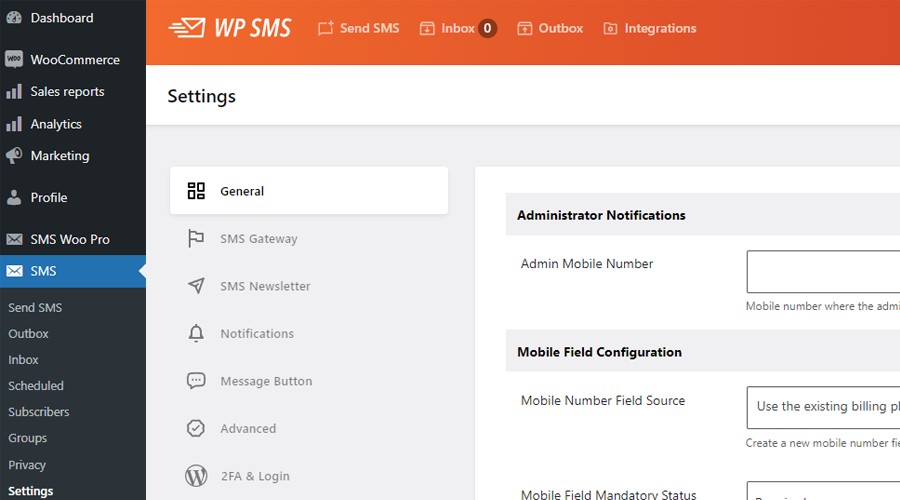
The good news is that it supports 350+ SMS gateways, many of which are compliant with international rules.
2. ClickSend

ClickSend is another strong tool for businesses that need something more than a basic SMS platform.
It has built-in compliance features that help you securely store subscriber data and manage consent logs. Also, you can make sure that opt-out requests are handled instantly.
ClickSend supports multiple channels, like email and voice, and is ideal for organizations and large businesses.
3. SimpleTexting
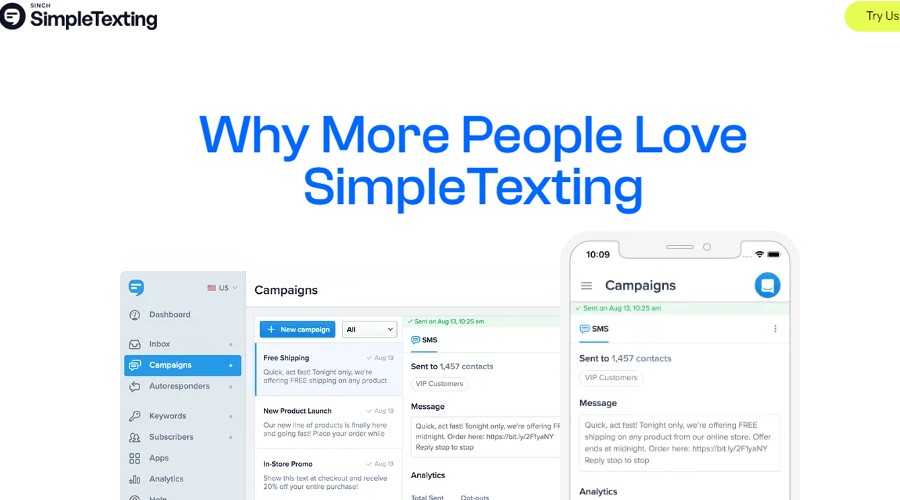
SimpleTexting is a famous SMS platform that offers lots of marketing features along with compliance with regulations.
It helps you in:
- Opt-ins
- STOP/HELP opt-outs
- Records of consent
So, you can be sure about compliance with TCPA and CASL requirements.
Risk & Penalties for Non-Compliance
Non-compliance with SMS marketing legal requirements can have serious consequences. Each country has determined different penalties for non-compliance.
The following table compares cold texting penalties and fines:
| Country | Penalties |
| USA | $500–$1,500 per text |
| EU | Up to €20M or 4% turnover |
| UK | Monetary fines, restrictions |
| Canada | Up to CAD $10M |
| Australia | Fines in millions AUD |
| Brazil | Up to 2% of revenue |
| Japan | Fines, business suspension |
| India | Service suspension, penalties |
Risks of cold texting customers are not restricted to legal fines. You might damage your brand reputation if you don’t comply with regulations.
For example, if you don’t respect opt-out requests and continue sending promotional messages, your customers might stop buying from you and flag your sender ID as spam.
Final Thoughts
Cold texting is generally illegal in almost all countries, and you need to get consent from your audience before sending promotional texts.
You have to get familiar with international texting regulations like GDPR and TCPA to avoid future problems.
If you send text ads without consent, you can face penalties and fines, and damage your brand reputation.
We reviewed the most important points you need to know about cold texting regulations and penalties in 2025 to help your business remain compliant.
Now, you know the consent requirements for SMS marketing. You just need to use a compliant SMS gateway like Twilio and a messaging tool like WP SMS to ensure your compliance. If you need more information about texting regulations, you can count on our help.
FAQs
What is HIPAA compliance and texting patients?
HIPAA has strict regulations to protect patient health information. You can only text patients if you get consent and make sure that messages are secure.
What is the difference between cold calling and cold texting?
Cold calling is unsolicited phone calls; cold texting is unsolicited SMS. Texting laws are often stricter, but both of them require consent.
Is cold texting legal?
Generally, no! You can only send promotional messages to people who have given written consent. However, sometimes you can send transactional messages without prior consent.
How to legally text new customers?
You have to obtain clear opt-in consent, identify your business, send during reasonable hours, and always include an opt-out option.